You had me at ‘books’!
And what better place to learn about the origins of the written word than at a glorious public library, such as the State Library Victoria?
Earlier in our Melbourne mini-break, I had dragged the Husband with me to stroll the hallowed halls of the Library on a free history tour. Not only did this tour reveal the wonderful architecture and back story of this fabulous old building, but it also revealed that there was much more to the library than fusty shelves and musty books. They had art, museum pieces and a whole swag of intriguing exhibitions.
Join me at one of those exhibitions as we do a deep dive into the World of the Book.

Note: Firstly, I want to apologise for the quality of my photos in this post. The exhibition itself is displayed in dimmed lighting to be gentle on the aged and fragile paper, and everything was displayed under glass. Both factors, while incredibly important, posed photographic challenges, but I hope you get the picture.
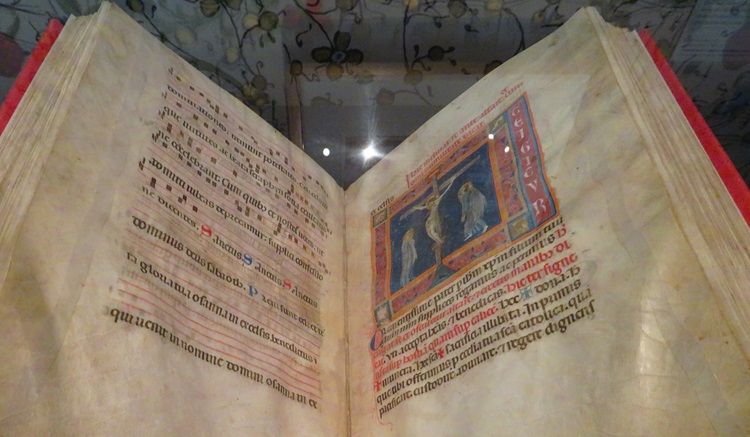
The World of the Book exhibition follows the development of the written word over time. The book, as we know it, did not evolve for some time, however the initial lack of paper was no barrier.
The history of ideas is mirrored in the history of the book. Books have altered the course of history itself, disseminating ideas that have changed how we think about the World and ourselves. Across cultures and eras, books have played a highly symbolic and iconic role.


Some of the earliest pieces on display were small wodges of clay (not even flat tablets) with script carved on the surface. These were only about the size of a small fist and their proper name is a Cuneiform tablet. These items were from Southern Mesopotamia (modern-day Iraq) and were manufactured around 2050 BCE. Cuneiform writing, developed by the ancient culture of Sumer, was one of the world’s first scripts. It was written on clay tablets using a wedged stick (cunea is Latin for ‘wedge’), and the tablets were then sun dried or fired. The earliest tablets (c. 3400 bce) record economic transactions. This tablet records taxes paid in sheep and goats in the tenth month of the 46th year of Shulgi, second king of the Third Dynasty of Ur. Source
These simple clay tablets evolved to papyrus, then the use of vellum (treated animal skin) in Roman times and next to the development of codex – folded sheets sewn together, bound between boards. Yes, what have the Romans ever done for us?
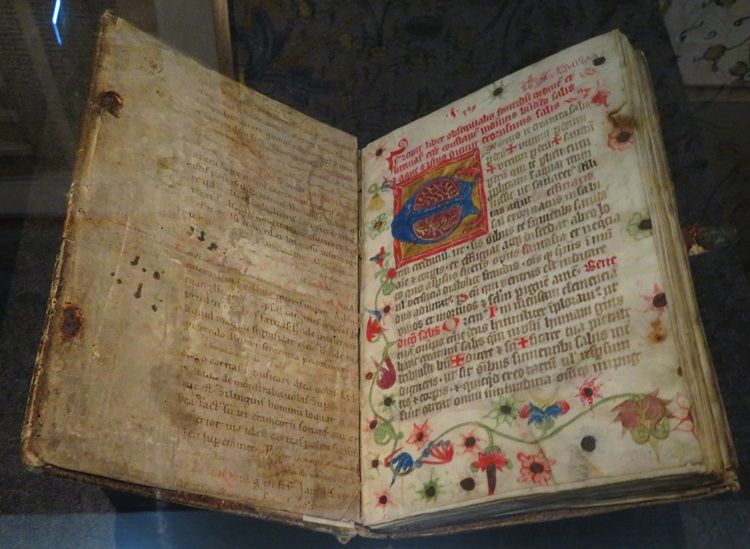


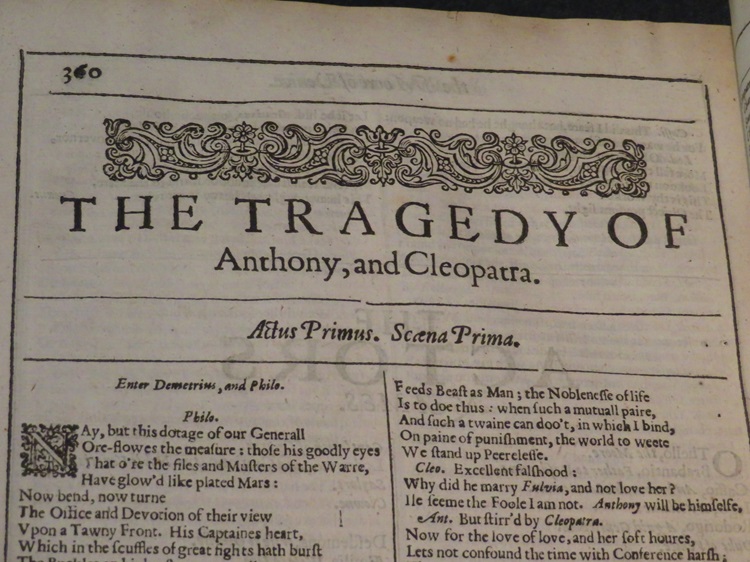
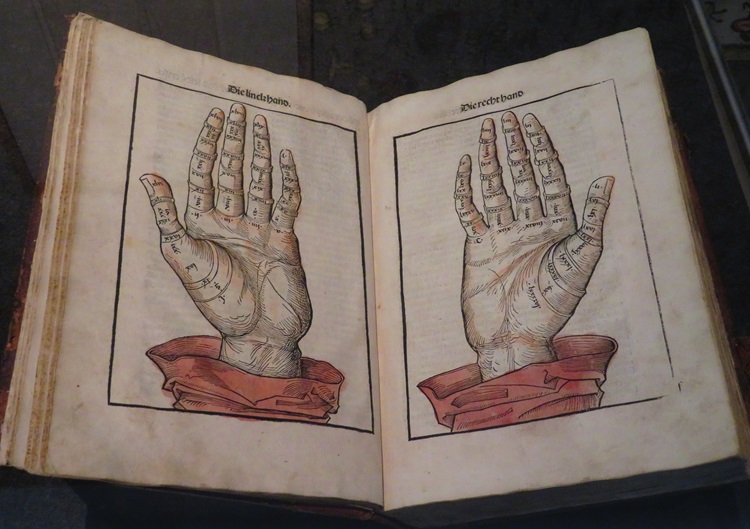
Finally, we started to use paper and the more sophisticated, and ground-breaking mechanical printing processes. What I found particularly fascinating was that alongside the evolution of the printed word, there seemed to be a concurrent evolution of thought, a growth in intellectual fads and sophistication of topics. These seemed to centre on the sciences and religion.
Once, it was thought that the world’s knowledge could be collected between the covers of a book. The information explosion of recent times makes it impossible to contain the world’s knowledge within one library, let alone in one book. Yet books continue to be a powerful means of informing and inspiring new generations.

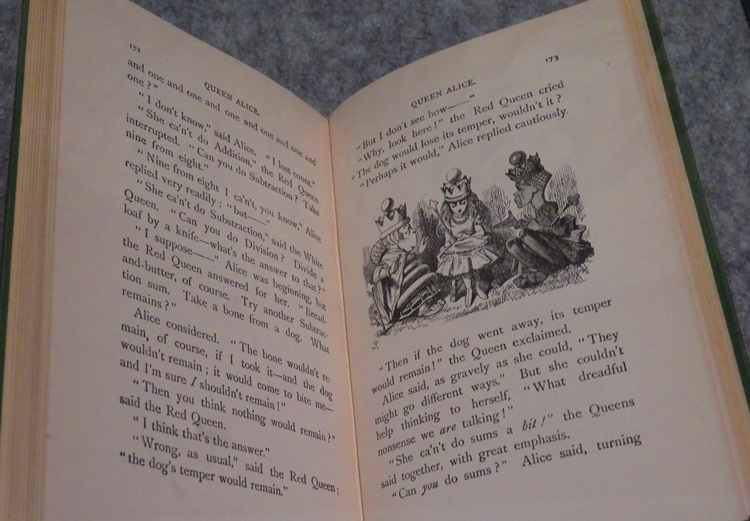

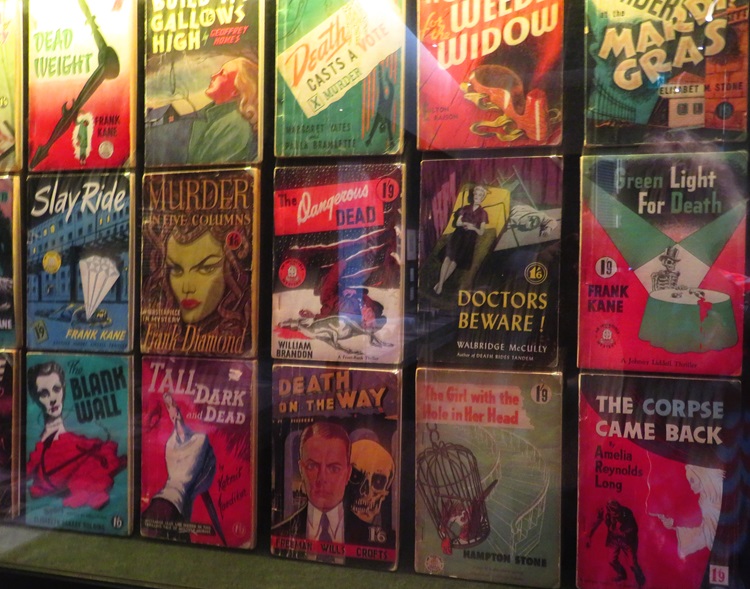
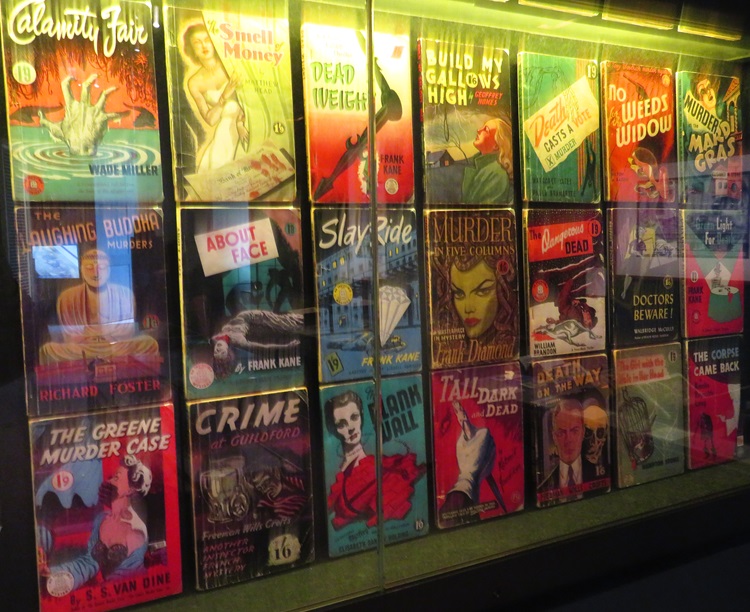
As mentioned, the display starts with the clay blobs and then moves through various religious and ‘scientific’ tomes, the early novels of Mary Shelley and Lewis Carroll, and right up to the boom of Australia’s version of ‘pulp fiction’ in the 1940s and ‘50s. Apparently, during and after WWII, the flow of popular American pulp fiction paperbacks dried up due to import restrictions. An enterprising Australian publisher quickly stepped into the breach. By the look of the racey covers, not much changed in the genre despite their more local authors and origins.
This exhibition was a true journey through time and I was interested to see that the display also featured the evolution of female authors and literary figures including Mary Shelley, the Beat poets, and WB Yeats’ sister, Elizabeth Corbet Yeats, as a leading publisher of not only his works, but many others.
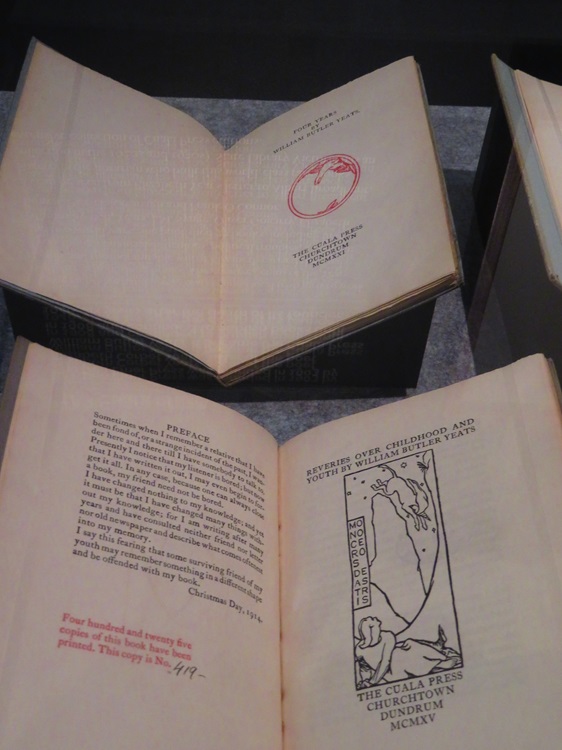


The Dun Emer Press was founded in 1903 by Elizabeth Corbet Yeats, sister of the poet William Butler Yeats. It became the Cuala Press in 1908 and continued to publish books until 1946, six years after the death of its founder.
Using an Albion hand press, Yeats trained local Irish girls to work with her in publishing books. The creative genius of the Yeats family and the indomitable will of Elizabeth carried the Cuala Press though financial difficulties, political troubles, a civil war and two world wars. She published 77 books, including first editions by W.B. Yeats, J.M. Synge, Oliver Gogarty, Elizabeth Bowen, Patrick Kavanagh and Frank O’Connor.
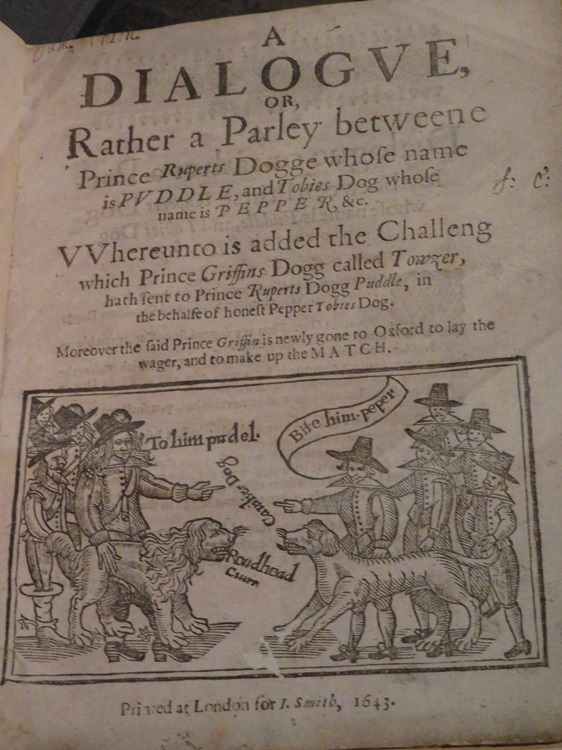
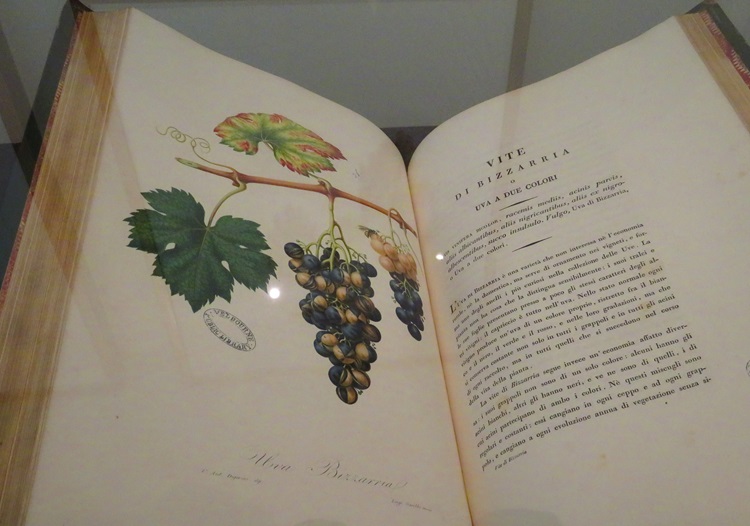
Some of the books in the exhibition were works of art in themselves with elaborate embroidered covers, gilt edging and marble papers. Inside, the intricate coloured plates were entrancing works of an incredibly steady hand and an eye for detail. I particularly loved the old maps and delicate drawings of plants and flowers.

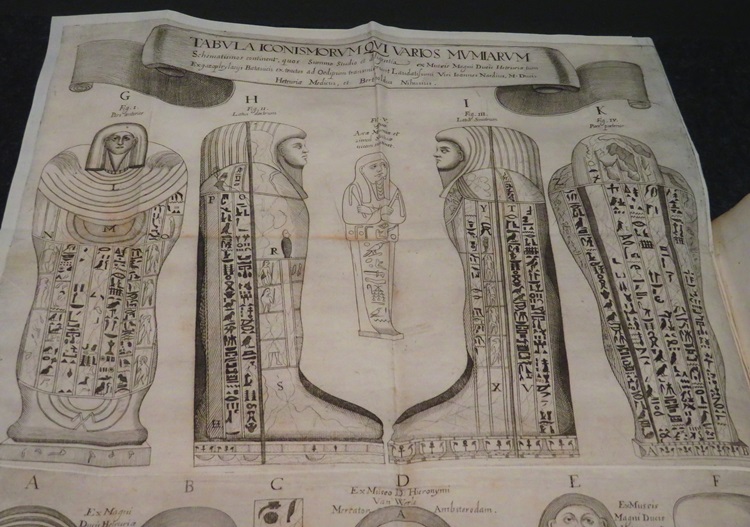
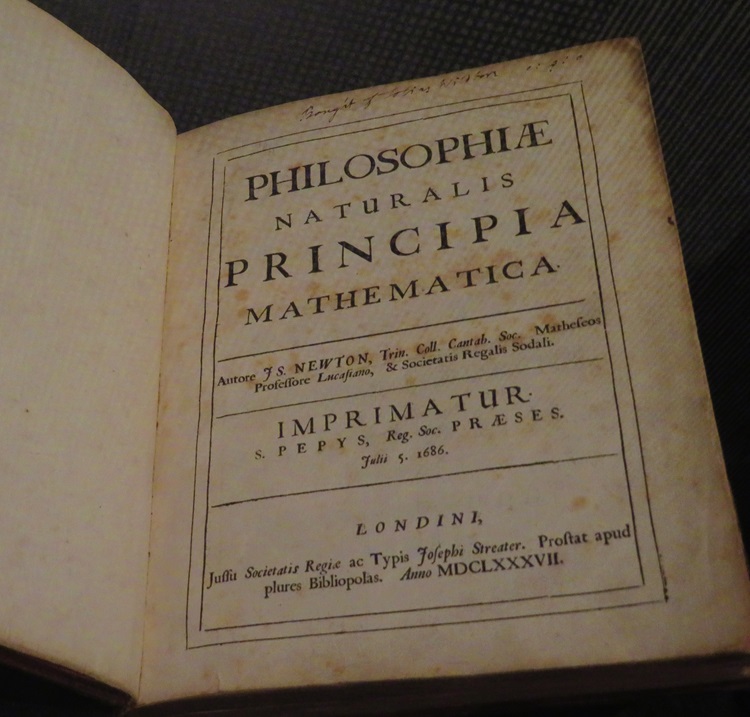


What a wonder it must have been for people, way back when, to open a book and be transported to the other side of the World through mysterious and fantastical plants and animals? Their minds would have been further boggled by new religious concepts and scientific theories upturning their long-held views. And what a shame it was that, in the early days only the wealthy and educated would have had access to this knowledge?
It seems that even today, knowledge is power.
Do you have a favourite book? Can you narrow it down to just one?
The Basics
What: The World of the Book exhibition is free to visit. For an online exhibition, check out Beyond the Book – a digital journey through the treasures of the John Emmerson Collection.
Where: Up in the Dome Galleries at the State Library Victoria, 328 Swanston St, Melbourne. There is another entrance off Russell Street.
When: The library is open every day from 10am-6pm. The exhibition closes on 12 May, 2024.
Why: To learn about the evolution of the book and the expansion, and diversification of thought.
How: The State Library is only a short walk from the centre of Melbourne and the Bourke Street Mall. Trams run on the nearby streets.
Who: For book and history lovers. The library is fully accessible for people with mobility issues.
Related Posts: For a more detailed look around the State Library Victoria, check out my history tour here. It truly is a wonderful place to visit.
Related Blogs: Library Planet is also a fan of this exhibition and their photos are much better than mine! Have a look here.
Read About it: For a small insight into the evolution of a book and its incredibly complex journey, have a read of Geraldine Brook’s novel The People of the Book. Lots of great history and an interesting storyline between those pages.


#destinationvictoria #melbourne #travelinspo #statelibraryvictoria #publiclibraries #freeexhibitions #evolution #bookheaven #lovelibraries #ancientscrolls #touristattraction #historicbuildings #historyofthebook #worldofthebook #beyondthebook. #art #literaryhistory #literaryexhibitions #ancientscrolls #exhibitions #walkingtour
 Life...one big adventure
This is an interesting exhibit (I’m especially interested in the details from the earliest moments of the printed language). In addition, your enjoyable post is also ironic. The husband, um, I mean, The Husband, has been wanting me to capitalize his “name” on the blog for some time. Out of habit, I’ve kept it lowercase, but seeing YOUR printed word, and how you capitalize your spouse, has influenced me. The written word has done it once again!
LikeLiked by 1 person
OMG! Does that mean I turned into an ‘Influencer’?? 🙂
LikeLiked by 1 person
Turn you into? You always were, Mel! 😉
LikeLiked by 1 person
Too funny! You are a comedian! 🙂
LikeLiked by 1 person
So much work went into creating this exhibit. It’s terrific.
LikeLiked by 1 person
Yes, you could spend hours in there just reading all the labels, if you had the time that is..
LikeLiked by 1 person
How amazing is this exhibition on the history of book design, not to mention the opportunity to see many rare books! I could never imagine my life without books as I see them as powerful means of information and inspiration. Thanks for sharing, and have a good day 🙂 Aiva xx
LikeLiked by 1 person
Thanks, Aiva. I feel the same about books and always have one or two on the go. They are the best company, ever.
LikeLiked by 1 person
What an awesome exhibit. I’ll keep it in mind for a trip to Melbourne. Maggie
LikeLiked by 1 person
You had better plan a very long trip! 🙂
LikeLike
It was a very interesting read, thanks Mel. There is the irony: How much effort was put into getting words on paper centuries ago. And now compare it to, say, a kindle … I think I like the written words of centuries ago on paper more.
LikeLiked by 1 person
Agreed. I think we take for granted the ease of accessing any sort of information these days and perhaps that minimises the impact in our lives? You raise a good point. Have a good weekend, Mel
LikeLiked by 1 person
Fascinating to learn about this exhibition. Next time we have time in Melbourne we may well check it out. Cheers,Mark
LikeLiked by 1 person
If it’s not there anymore, I bet there will be something equally fascinating in its place. I just love that Library!
LikeLike
You had me at books 🙂 I can look at old books for hours and never get bored, this looks an amazing exhibition!
LikeLiked by 1 person
It was and really opened my eyes as to how far the ‘book’ had come. Have a great weekend. Mel
LikeLike
Somewhere to lose yourself for hours, Mel. Great place for a rainy day, or a too hot one! It’s sad that all that information is now just at our fingertips in the electronic age, but books are a world to dive into.
LikeLiked by 1 person
Maybe the physical book makes a slow down? Paces our consumption of information/data? And yes, you could get lost here for hours. Melx
LikeLiked by 1 person